By Claus Hetting, WiFi NOW CEO & Chairman
Zuckerberg blames failed AI demo on Wi-Fi, Meta CTO then walks it back
Tech media are abuzz after Mark Zuckerberg’s live demonstration of Meta AI-powered latest Ray-Ban Display glasses spectacularly failed. The fail happened at a Meta Connect conference last Wednesday. The Meta AI assistant was supposed to instruct Ray-Ban wielding chef Jack Mancuso on how to cook up a Korean-inspired sauce and instead, Mancuso had to repeat and in the end give up trying to get the recipe read to him. Mancuso and Zuckerberg immediately blamed the Wi-Fi but in the end, Wi-Fi may in fact have had little to do with it (and surely AI assistant skipping recipe steps hard seemed like a connectivity error).
Later Meta CTO Andrew Bosworth attributed the errors (and there was more than one glitch) on the fact that many glasses within the building were activated at the same and that all of the traffic was routed to Meta’s development service, which was not designed to handle that much traffic.
While the glitches stole much of the attention at the Apple-style event, the new US$800 glasses are actually a pretty cool new gadget. The glasses include a high-resolution display that presents information to one of your eyes as well as a so-called ‘neural interface’ wristband that works a bit like a mouse by sensing your hand movements including gestures. Perhaps one of the most useful features is live captions – for the hearing impaired – as well as instant textual translations from other languages. The glasses come with built-in behind-the-ear speakers, multiple microphones, and a camera, of course. They are actually super innovative (although perhaps a little geeky) and it is more than a little unfortunate that the glitches detracted from the news value. See Zuckerberg’s presentation here.
Ookla launches Wi-Fi Speedtest certification for hotels & other venues
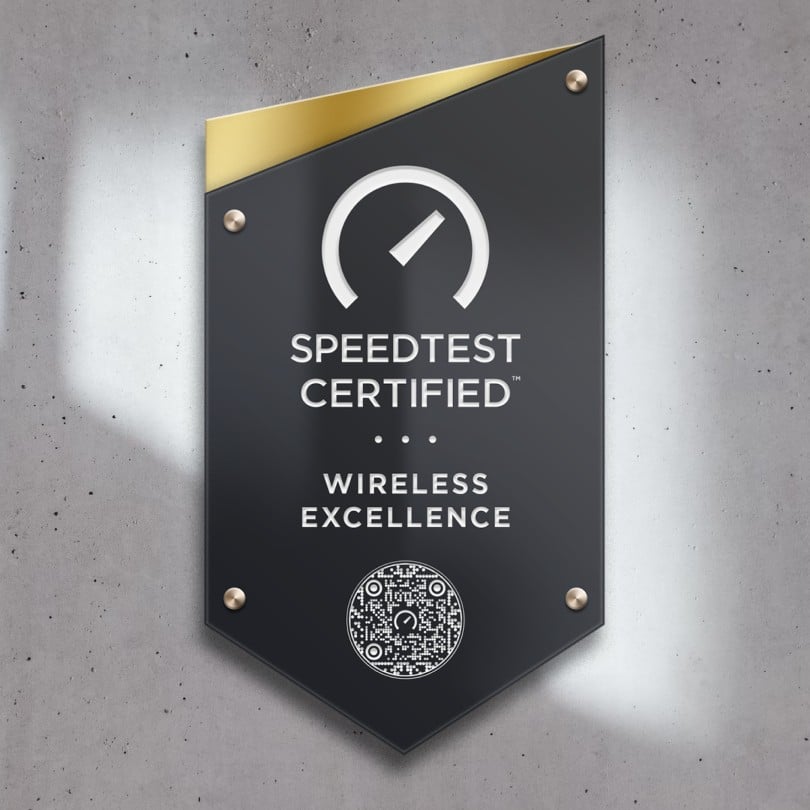 Last week Ookla – the owners of speedtest.net and network planning and surveying platform company Ekahau – launched a new program aimed at assuring the quality of venue Wi-Fi. The program is called ‘Speedtest Certified’ and is intended to constitute a stamp of approval for Wi-Fi quality that for example hotels (other types of venues) can use to signal Wi-Fi excellence towards guests and users.
“A venue’s connectivity score is calculated using a structured scoring matrix that measures key Wi-Fi deployment, ISP, QoS, and QoE metrics. Each metric is weighted and thresholds are defined through real-world testing and Ookla’s expertise in high-performing networks,” Ookla says in a methodology description that can be found here. The method actually uses Ekahau tools to evaluate the connectivity in the entire venue and even checks core infrastructure hardware and ISP backhaul, Ookla says. Ookla says nothing about how frequently this needs to be done as Wi-Fi quality has been know to change over time depending on prevailing conditions, maintenance, and other factors.
Zyxel Networks launches super fast 5G-backed Wi-Fi 7 router for business
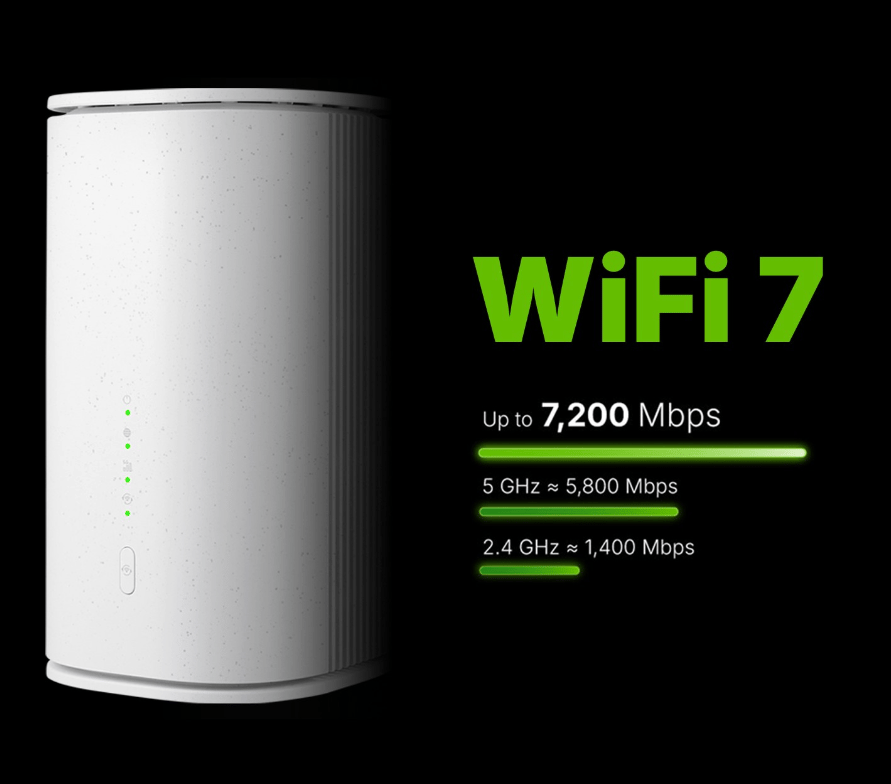
Zyxel Networks’ new Nebula FWA515 Wi-Fi 7 router delivers up to 7.2 Gbps of data rate for up to 64 devices and is backhauled by either 5G or LTE, Zyxel Networks says. The new router is designed for business without access to fixed-line infrastructure or with a need for mobility. “This router requires zero cabling and no complex setup. Users simply need to insert a SIM card and plug in the power supply to access speedy WiFi 7 connectivity,” Zyxel Networks says. The unit offers both 5G and Ethernet WAN options with seamless failover, ensuring service continuation should either of the two backhaul options be disrupted. The device can be managed from a single Cloud dashboard, the company says.
Vodafone chooses RDK-B as its CPE platform for UK, Germany, & rest of Europe
Vodafone is now heavily committing to the RDK-B platform – a open-source CPE software platform created in most part by the US cable industry. Vodafone announced on September 11 that it is streamlining Wi-Fi 7 deployments across UK and Europe by deploying its RDK-B-based Ultra Hub 7 fibre and DOCSIS routers. Read more above Vodafone’s move to RDK-B here.
/Claus.