By Claus Hetting, WiFi NOW CEO & Chairman
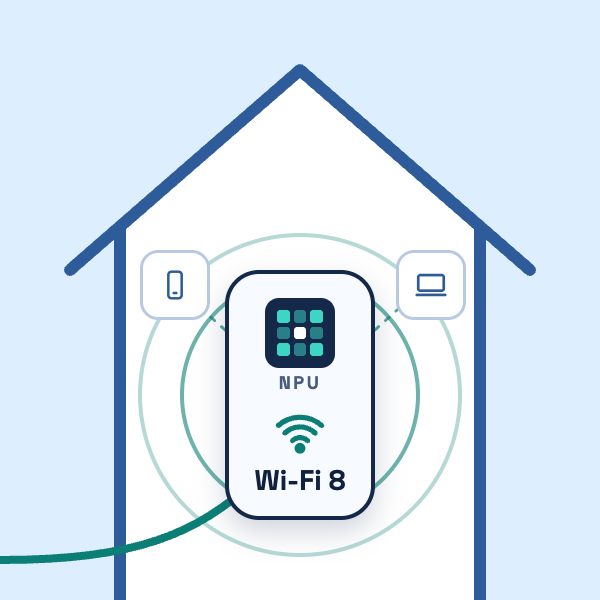
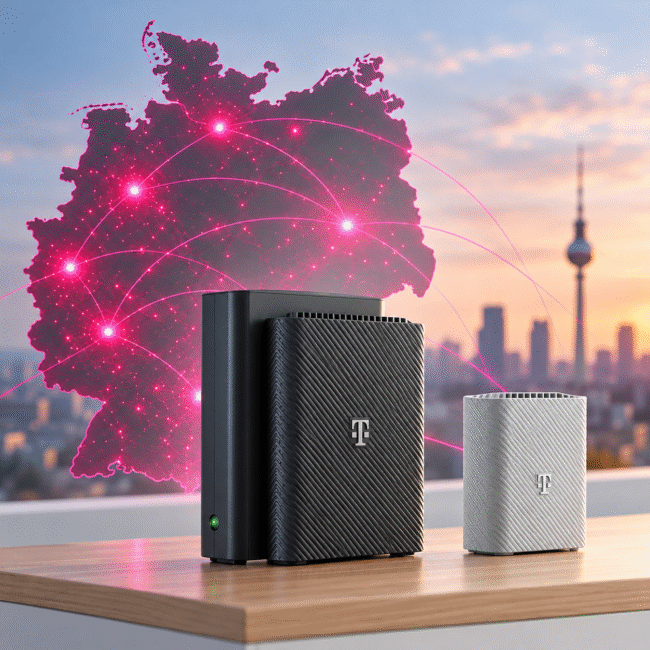
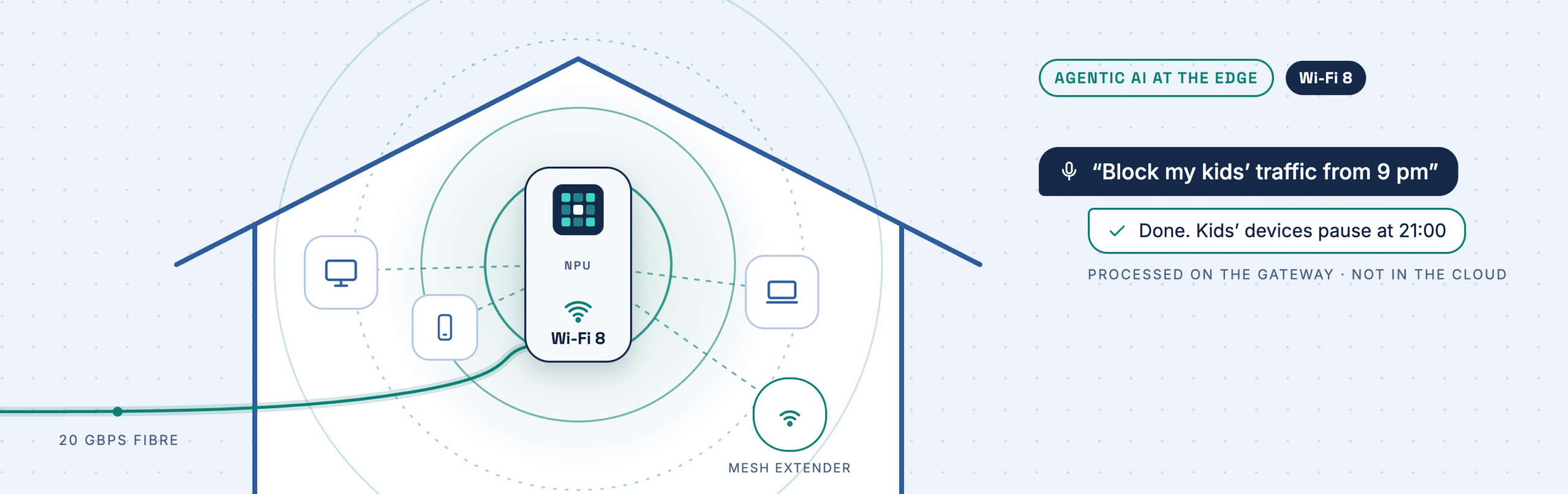
GFiber and Qualcomm are teaming up to deliver one of the world’s first commercial deployments of an AI-native residential gateway. GFiber’s new Wi-Fi 8-capable gateway – powered by Qualcomm’s Dragonwing NPro A8 Elite platform – is scheduled to roll out in the first half of 2027 to support 20 Gbps fibre services. The gateway will allow subscribers to interact with their services using natural language, gFiber says.
Bringing agentic AI onto the residential gateway rather than running it in the Cloud could fundamentally change how broadband operators deliver, manage, and monetise home connectivity services. Now gFiber – formerly Google Fiber – and Qualcomm are pioneering one of the first native agentic AI services at the edge for broadband service providers. At the same time, gFiber is incorporating Wi-Fi 8 into the gateway to optimise connectivity reliability and performance.
In theory, agentic AI at the edge promises greater privacy for the user, more responsive services, as well as potentially lower costs for the service provider including lower Cloud inferencing and customer support costs. It is still early days for the new architecture, so pioneering service providers such as gFiber are still in the process of gradually developing residential AI-based capabilities.

“We wanted to use the chipset’s native AI capability to keep processing local and offer subscribers simpler controls first, and expand into better network optimisation later. We also wanted to keep pushing the gFiber innovation story – from fast fiber to the home and now also to transforming the in-home experience with AI and Wi-Fi 8,” says André Rosete, CPE Architect at gFiber.
gFiber says the new gateway allows subscribers to query the system in natural language – for example to activate parental controls – such as simply saying block my kids’ traffic starting from 9 pm. The system also identifies traffic types – such as YouTube or Instagram – and allows visibility into usage and usage patters, gFiber says. It is also possible to set up – for example – guest access to home Wi-Fi through natural language commands. The service uses the inferencing capabilities of Qualcomm’s Dragonwing NPro A8 Elite flagship SoC, which comes with an integrated NPU.
Meanwhile, gFiber is using the new gateway as an opportunity to also introduce the latest generation technology in Wi-Fi. This means that gFiber will likely be one of the first operators in the world to deploy a live Wi-Fi 8 network sometime next year, launching well ahead of the Wi-Fi Alliance’s formal Wi-Fi 8 certification programme due to kick off in early 2028. The company says Wi-Fi 8 delivers real solutions to known home Wi-Fi performance issues, especially in the case of multi-AP deployments.
“We’ve found that Wi-Fi 8 resolves some of the issues we’ve had, especially with regard to our mesh extender. With Wi‑Fi 7, you have certain limitations with airtime sharing between the mesh extender and the clients. Wi-Fi 8 addresses a lot of that based on bandwidth sharing features built in that really enhance the service. We will have all Wi-Fi 8 features activated on the gateway, including improved roaming. With Wi-Fi 8, it’s really about delivering better reliability and efficiency,” André Rosete says.
Edge AI opens new opportunities for broadband operators and chipset vendors
The emergence of AI-native residential gateways could mark the beginning of a new phase in broadband service delivery. By moving AI inference and autonomous network management capabilities onto the gateway, operators could reduce their dependence on cloud processing while delivering faster, more personalised services. Local processing also offers potential privacy benefits by keeping sensitive household data within the home network.
For broadband operators, the opportunity in theory extends beyond network optimisation and lower support costs to new subscriber services, including intelligent home management, security, and automated troubleshooting. For the time being, it is not clear what new upsell or revenue opportunities exist in this regard, but the current GFiber case is a good example of how edge AI can add value to broadband services.
Meanwhile, connectivity chipset vendors such as Qualcomm are increasingly incorporating dedicated NPUs into their platforms, positioning themselves to capture a growing share of the edge AI market. This creates an alternative to centralised AI processing powered by data centre chip giants such as Nvidia, although the two architectures will likely coexist. The economics of this emerging model will depend on hardware costs, local AI capabilities, and the balance between edge and Cloud processing.
/Claus.