By Claus Hetting, WiFi NOW CEO & Chairman
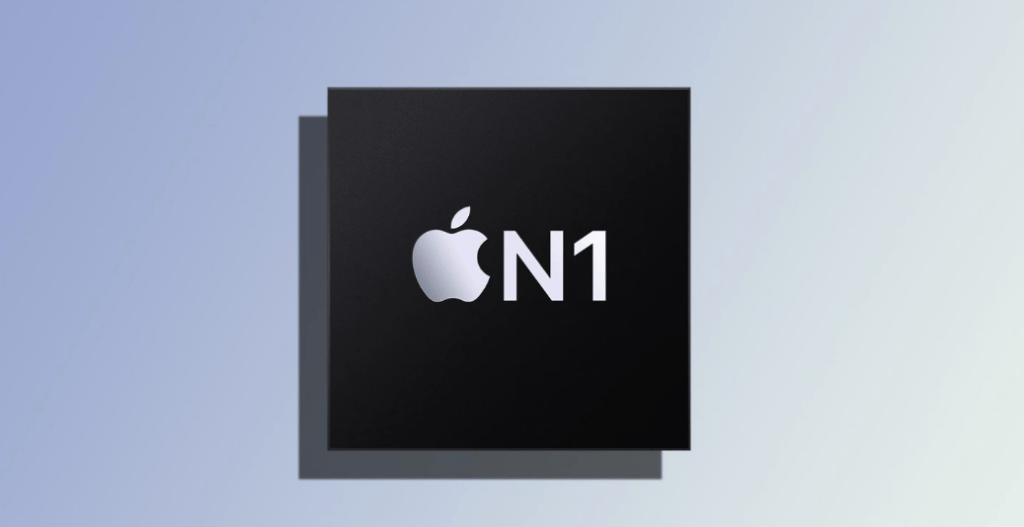
It is an open secret that Apple for a long time has been aiming to insource its Wi-Fi development – and then yesterday, Apple finally announced its long-awaited in-house developed Wi-Fi 7 chip. The N1 now powers Wi-Fi connectivity for the entire new lineup of phones from the iPhone 17 Pro Max to the iPhone Air. So how will this impact the Wi-Fi industry and – above all – how well will the new N1 work?
Yesterday’s traditional September event (a condensed version can be found here) finally revealed Apple’s new Wi-Fi chip dubbed ‘N1’ while the event also marked the end of an era: Apple has been using Broadcom chips for Wi-Fi since the iPhone 3G in 2008 (the very first iPhone 2G of 2007 used Marvell Wi-Fi chips). So what can iPhone aficionados expect from Wi-Fi 7 connectivity powered by the N1?
The N1 supports all of Wi-Fi 7, Bluetooth 6, and Thread but Apple has released very few specifics about its capabilities and has said nothing about – for example – peak data rates. Instead Apple is emphasising better performance, reliability, and efficiency through improved integration with other iPhone hardware and software, such as Airdrop, Personal Hotspot, and AI-based services. In that respect – apart from any cost and other commercial considerations – it makes a lot of sense for Apple to have insourced their Wi-Fi development. Apple is now in full control of its connectivity strategy.
The move away from Broadcom has been expected for a long time and leaves Broadcom with – as far as we know – no major Wi-Fi chipset customers on the client side. Synaptics has taken over Broadcom’s other major smartphone customer – Google Pixel – on the basis of a recent IP licensing agreement (read more here) while Qualcomm has taken over as primary supplier of Wi-Fi chips for Samsung phones. Going forward Apple will now own perhaps 15-20% of the Wi-Fi chipset market for phones.
One looming question is how Apple intends to engage (or not) with the rest of the Wi-Fi ecosystem knowing that Apple is notoriously reclusive. Since no man (or company) is an island, the success of the N1 will strongly depend on how well Apple can ensure interoperability with the huge number of network and other devices on the market produced by hundreds if not thousands of Wi-Fi industry companies. Apple will of course certify their phones with Wi-Fi Alliance but even certified products need more than that to ensure the right quality of experience.
That also means that questions directed towards Apple will be many. How much information will Apple release towards – for example – major (or minor) access point or service providers for the purpose of optimising the user experience? Perhaps it is fair to say that the benchmark for industry engagement by Wi-Fi client-side chipset vendors is Intel. Intel tests its Wi-Fi solutions extensively towards pretty much all AP providers and even offers access to client-side data not visible from the network side via the Intel Connectivity Analytics program. Intel is also highly active in engaging with broader Wi-Fi community through various industry organisations including WiFi NOW.
At WiFi NOW we’re delighted that Apple has now officially – or shall we say once again? – become a major Wi-Fi technology provider. We also hope that Apple will make it easy (or at least easier) for the Wi-Fi ecosystem to engage with them since delivering the right quality of experience will ultimately depend on how well iPhones and other Wi-Fi devices interoperate. Ultimately, QoE will impact Apple as much as it will the rest of the Wi-Fi community’s members, big or small.
/Claus.