
This week’s guest blogger Bree Murphy – RCDD Applications Engineer for Oberon (a business unit of Chatsworth Products) – is one of the most passionate enterprise Wi-Fi evangelists we know. Bree is today leading an industry transition towards more aesthetic, serviceable, and better performing enterprise networks through the introduction of innovative deployment solutions.
Airports are among the most demanding wireless environments in the world. Every day, thousands of passengers expect seamless connectivity while airport operators depend on reliable wireless networks to support everything from security systems and operational communications to digital signage and passenger services. Airport Wi-Fi deployments in particular are complex.
Yet while the performance of Wi-Fi, LTE/5G, and distributed antenna systems (DAS) often receives most of the attention, an equally important component of the wireless ecosystem frequently goes unnoticed: The physical infrastructure that supports and protects network edge devices.
As airports evolve into highly connected digital ecosystems, the challenge is no longer simply delivering wireless coverage. It is delivering that coverage in architecturally sophisticated environments where aesthetics, operational efficiency, security, and future scalability must all coexist.
Connectivity meets architectural complexity
Modern airport terminals are designed to impress. Expansive glass façades, soaring ceilings, exposed structural elements, wood slat finishes, and acoustic treatments create attractive and welcoming passenger spaces. But these same architectural features can complicate wireless deployments.
For network designers, the challenge is maintaining consistent wireless performance despite changing traffic patterns, high user densities that fluctuate over time, as well as complex physical environments. Traditional mounting approaches are often less than ideal, requiring more flexible deployment approaches and strategies that preserve both coverage and performance integrity.
Meanwhile, architects face a different concern: how to integrate essential technology without compromising the visual appeal of the terminal. Visible networking equipment can detract from carefully crafted spaces, making discreet mounting solutions increasingly important. Paintable enclosures, recessed installations, and low-profile mounting systems allow wireless infrastructure to blend naturally into the surrounding architecture while maintaining full functionality.
Planning for continuous technology refresh
Airport infrastructure is expected to last for decades, while wireless technology evolves every few years. This creates a significant challenge for IT organizations responsible for maintaining connectivity across large facilities. Replacing access points is relatively straightforward. Replacing the supporting infrastructure each time a new generation of equipment arrives is not.
This is why mounting platforms designed around adaptability are gaining traction and becoming the new industry standard. Interchangeable doors, trims, and mounting brackets enable airports to accommodate new access point models without rebuilding ceiling or wall infrastructure. Such an approach can substantially reduce refresh costs while minimising operational disruption.
Examples include Oberon’s H-Plane™ right-angle surface mounts, recessed ceiling mounting systems with interchangeable trims, and ceiling enclosure platforms featuring interchangeable doors designed to support multiple generations of wireless equipment.
Serviceability and security matter, too
For facility managers, uptime is paramount. Wireless infrastructure must be easy to maintain while remaining secure and compliant with building regulations. Features such as lockable enclosures, tamper-resistant access controls, UL plenum-rated backboxes, and tool-free equipment replacement can significantly reduce maintenance complexity. Faster servicing means shorter maintenance windows, reduced operational disruption, and lower repair costs.
In large airports where maintenance activities can affect passenger operations, the ability for a single technician to quickly replace or upgrade equipment can translate into meaningful operational savings.
Our recommendation: Thinking beyond the Access Point
The most successful airport wireless deployments take a lifecycle approach to infrastructure planning. Rather than viewing mounting hardware as a commodity, leading airports increasingly recognize it as a strategic component of their wireless architecture.
Purpose-built deployment platforms can help airports:
- Preserve architectural aesthetics.
- Reduce total cost of ownership.
- Simplify technology refresh cycles.
- Improve physical security.
- Accelerate maintenance activities.
- Support future generations of wireless technology.
As passenger expectations continue to rise and wireless networks become ever more critical to airport operations, the invisible infrastructure supporting those networks deserves greater attention. The access point may deliver the connection, but the platform supporting it can determine how efficiently, securely, and cost-effectively that connection is delivered for years to come.
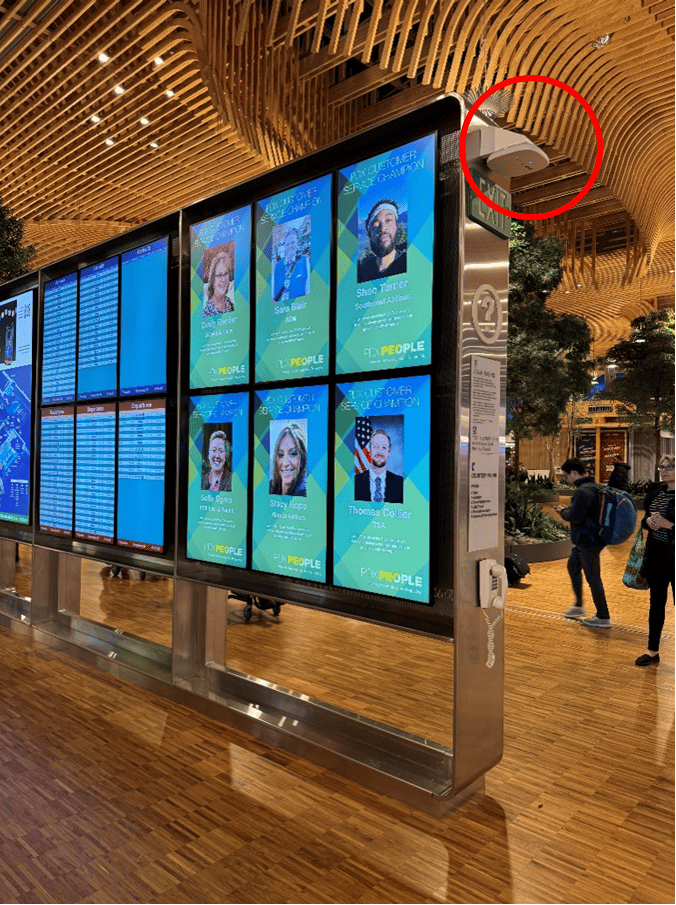
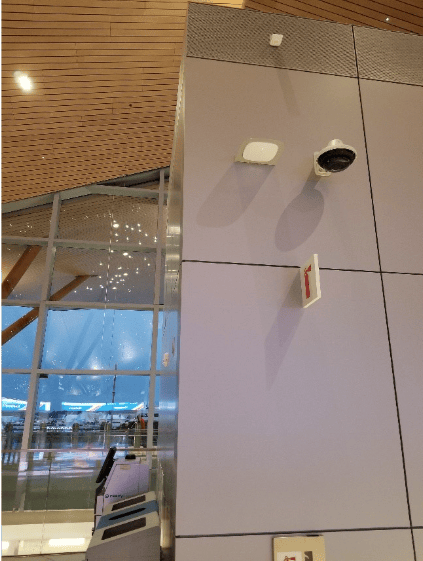
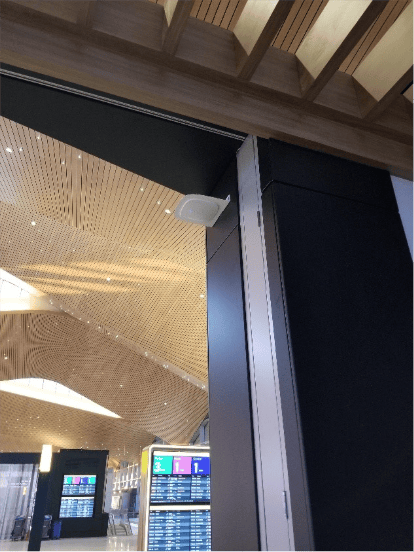
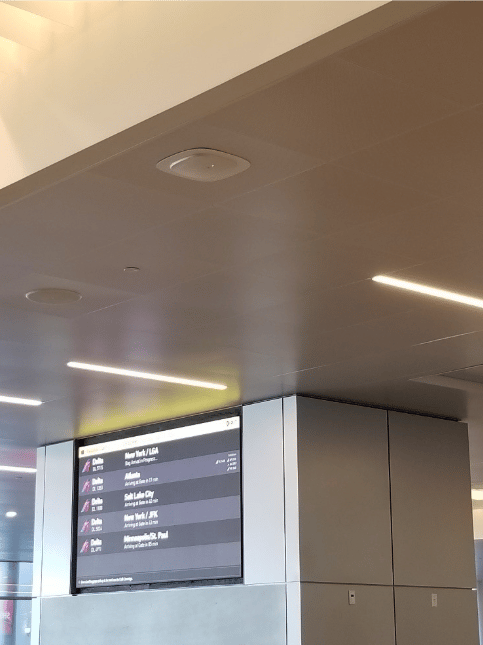
Examples of Wi-Fi AP deployment solutions in airports
Click on the images below to explore how the right deployment solutions create the right aesthetics and serviceability for airport AP deployments.
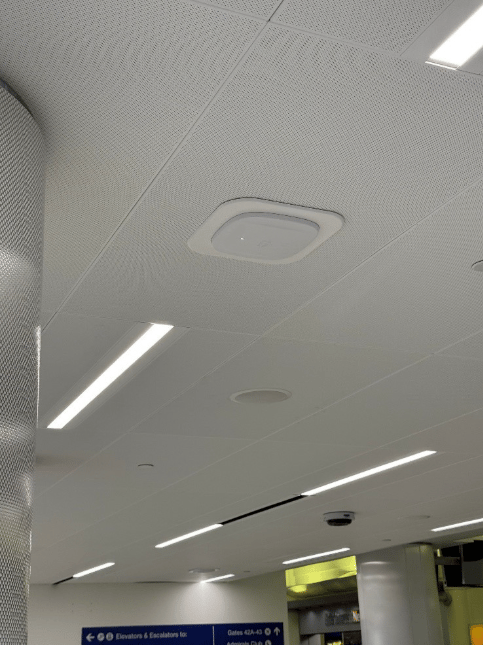
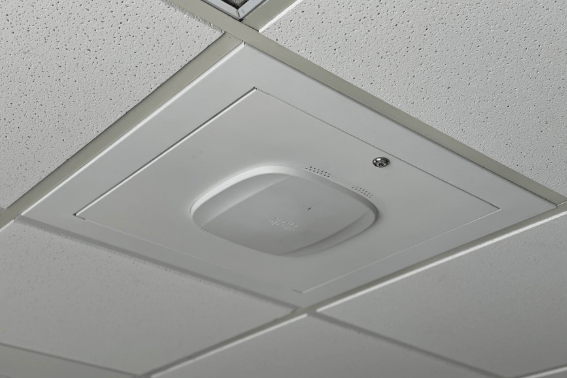
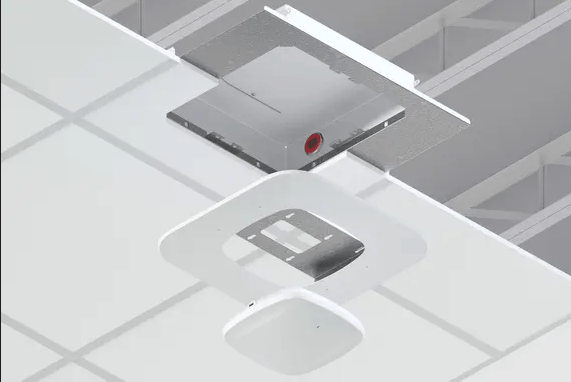
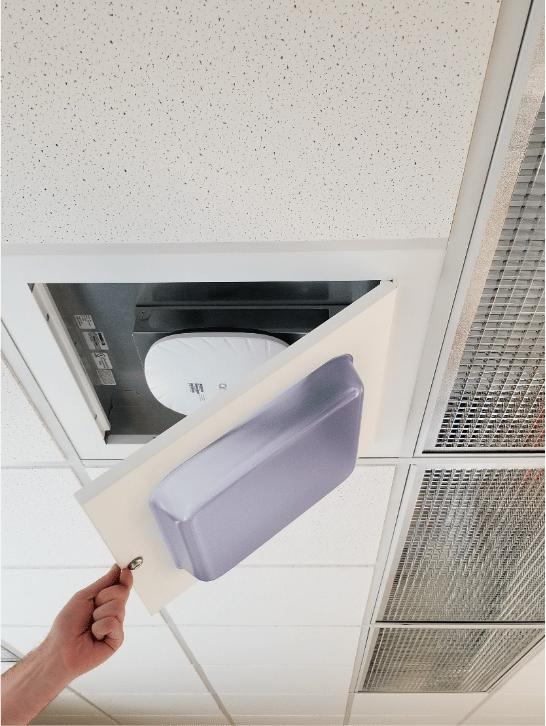
About Oberon
Since 1999, Oberon has specialized in wireless mounting solutions for Wi-Fi, LTE/5G, DAS antennas, medical wireless systems, and other connected technologies. The company’s focus is on enabling technology transitions, improving physical security, simplifying maintenance access, meeting regulatory requirements, and preserving the aesthetic integrity of deployment environments. For more read here.
/Bree.