By Claus Hetting, WiFi NOW CEO & Chairman
This week Helium officially launched Helium Plus: The ‘Uber of telecoms’ service that allows businesses to share Wi-Fi networks. Helium Plus auto-connects mobile phones from (most) US service providers to venue Wi-Fi, instantly delivering better indoor coverage, while venues earn tokens on offloading traffic. Above all, Helium is making Wi-Fi network aggregation easy and – not least – ‘offload’ attractive to carriers.
Helium has since the beginning of last year been asking users to join the Helium network by purchasing and installing Helium Wi-Fi APs, one of the incentives being that Helium AP owners can earn tokens (which can be traded for dollars) by offloading traffic from mobile carriers. Now the company is extending the offer to (nearly) any venue or business owning and operating existing Wi-Fi networks. Helium announced the service yesterday.
Helium says the solution works with most major enterprise Wi-Fi vendors including Ubiquiti, Cisco Meraki, RUCKUS, Extreme Networks, and Fortinet. “If you’re interested in earning tokens by offloading traffic from Helium Mobile subscribers, the good news is that you can go ahead and convert connect your network to Helium without even getting us involved, it’s a direct self-service process. There are plenty of benefits in that alone. If you want to earn tokens on offloading traffic from other carriers that work with Helium, you need to contact us and our team can get you setup in no time,” says Mario Di Dio, General Manager, Network, at Helium.
He also says that self-integration is practically instantaneous and that speed and simplicity of processes are essential to achieving wide adoption and building the Helium footprint fast. “In essence, Helium Plus removes barriers to entry and enables hundreds of thousands of new contributors, from shopping malls to cafes and more, to expand the Helium Network while earning HNT tokens in exchange for providing connectivity,” Mario Di Dio says.
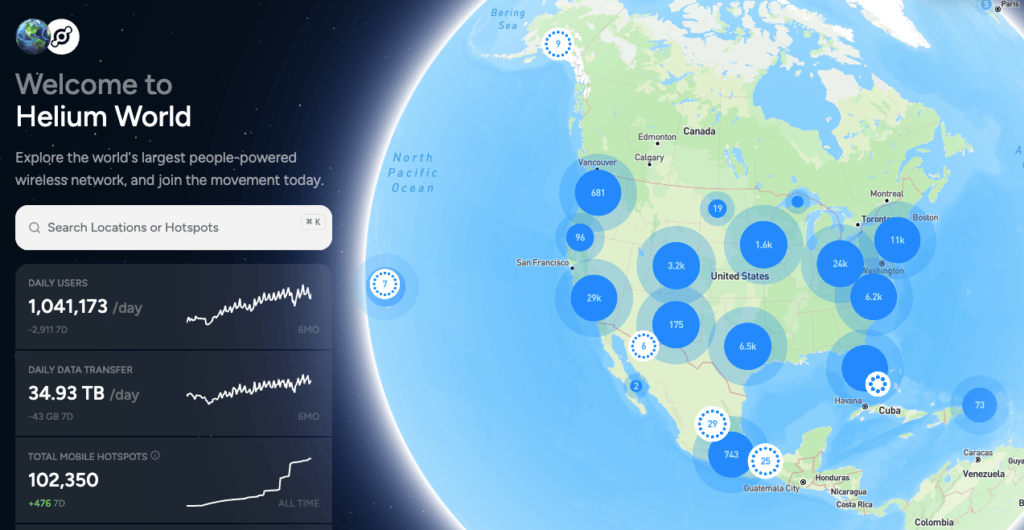
Payouts can (depending on location) be substantial. In June Helium paid out US$300,000 in offload rewards to hotspot hosts across the US, which is 20% more than what was paid out in May. Helium also just reached another big milestone: 1 million daily active users, Mario Di Dio says.
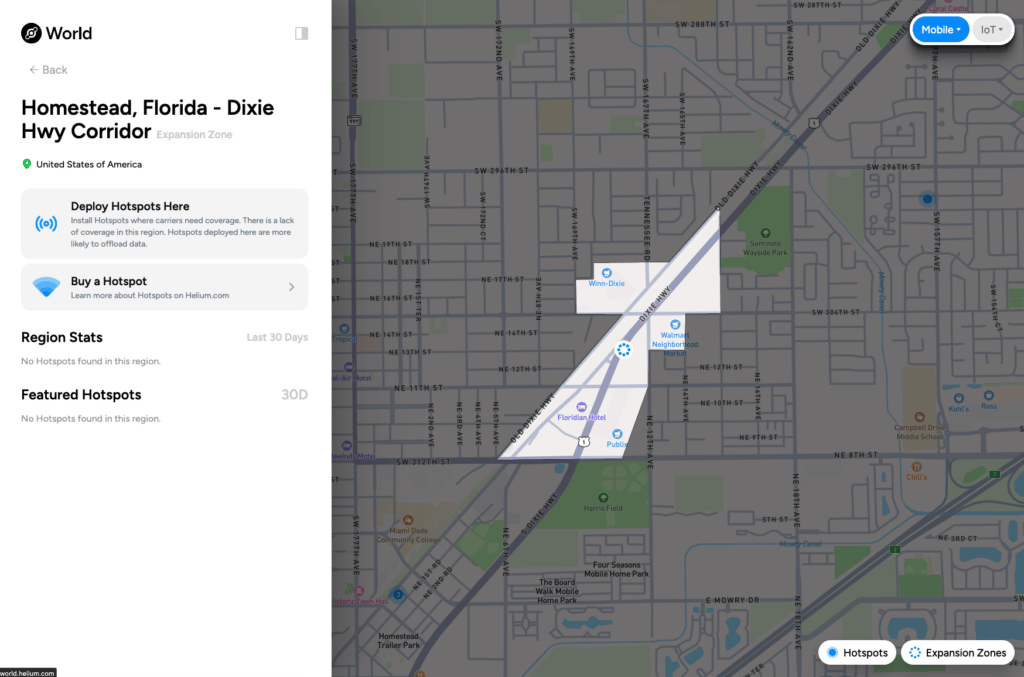
But perhaps Helium’s biggest contribution to the mobile industry is that the company has turned the carriers’ usual process for building mobile coverage on its head. On Helium’s platform participating carriers can mark specific areas on the map that are in need of additional coverage.
This means that prospective Helium network participants – including venues – will know in advance that there exists connectivity demand in these areas and that they likely will earn revenue if they decide to join the Helium network. Commercial Helium partners – such as MSPs – can even target specific venues for this purpose, Mario Di Dio says.
“As far as we know, this is the first time mobile services can be built systematically by third parties in this way. Aggregated Wi-Fi offload networks have existed in the past but never with these kinds of tools available and never at this level of simplicity. MSPs can now offer Helium Plus as a simple add-on Wi-Fi auto-connect service for their clients, which also means improving indoor coverage immediately, all the while empowering clients to benefit economically by earning tokens on offload,” he says.
Helium – owned by Nova Labs – is arguably the frontrunner among a small group of companies using blockchain technology (Web3) to deliver auto-connect Wi-Fi services (using Passpoint) for indoor coverage and ‘offloading’. Decentralised and ‘trustless’ blockchain technology allows participants to earn tokens (that can be exchanged for dollars) through near-instant micro-transactions.
/Claus.