
By Claus Hetting, WiFi NOW CEO & Chairman
Moving beyond standard unprotected deployment of Wi-Fi networks is critical for success as the Wi-Fi industry evolves to deliver connectivity everywhere for all verticals, Oberon says. Meanwhile architectural requirements become more demanding when it comes to concealing Wi-Fi access points, cabling, and other infrastructure components. Better serviceability, physical security, and easy of upgrades are driving down TCO and increasing popularity of Oberon’s AP deployment solutions, the company says.
Many enterprise Wi-Fi deployments still use standard brackets and plates to position and mount APs – but more and more building owners and venue operators are now asking for better serviceability, physical security, aesthetics, and ease of operations. Oberon says the popularity of its large portfolio of deployment solutions is growing as deployment requirements become more stringent and owners more discerning.

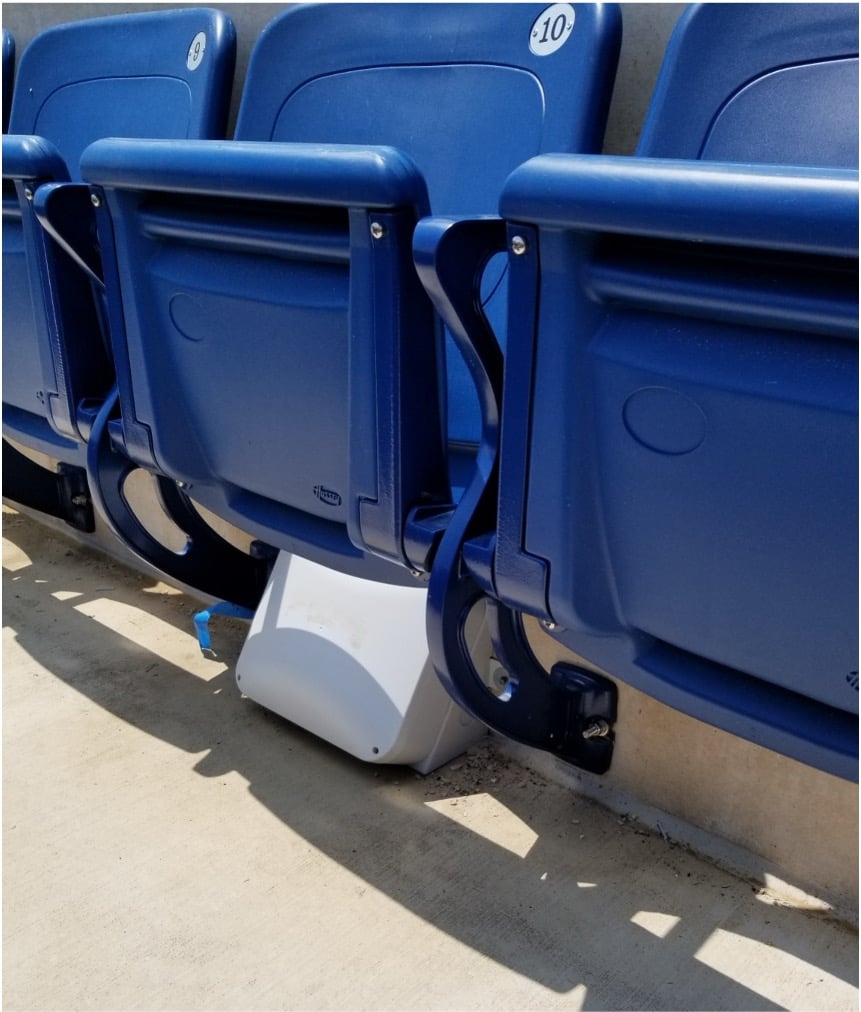
“There are huge variations in the types of buildings that require Wi-Fi coverage, and many of them turn out not to very well suited for standard brackets or plates but instead require a variety of more appropriate mounting systems. Everything from ceiling tile mounts in various forms to lockable, horizontal mounts, secure hanging conduits, AP covers in the right aesthetic colours, to outdoor pole-mount systems, underseat enclosures, and wireless bollards are in play,” says Bree Murphy, Oberon Manager of Technical Content & RCDD.
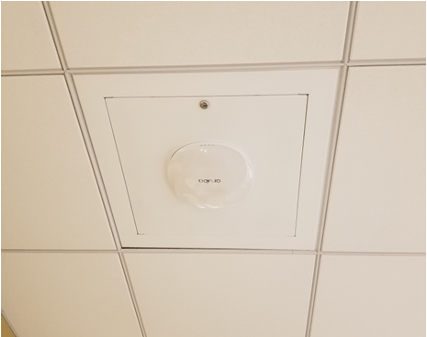
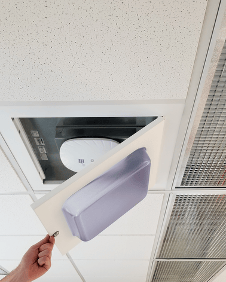
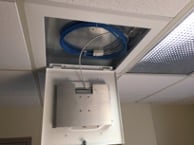
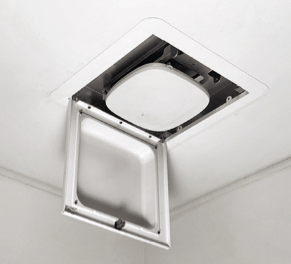
One of Oberon’s most popular products is the Wi-Tile ceiling enclosure system that allows APs of nearly any vendor to be installed into a ceiling tile structure without impacting Wi-Fi signal strength. APs can for example be visible and flush with the tile or concealed behind a translucent dome or solid door. Oberon offers more than 100 models depending on AP vendor and architectural preference and common to them all is easy access for simplified service and easy access, Bree Murphy says.
“There are many reasons why venue owners choose these types of mounting systems and enclosures. For example: They make it easy and fast to upgrade APs to the next generation Wi-Fi standard and the metal enclosure above the AP reduces radio signal interference towards the floor above. Finally, enterprises choose the clean, polished look of a flush-mount AP or even conceal the unit entirely. In either case, the drop-down door makes for easy access,” Bree Murphy says.
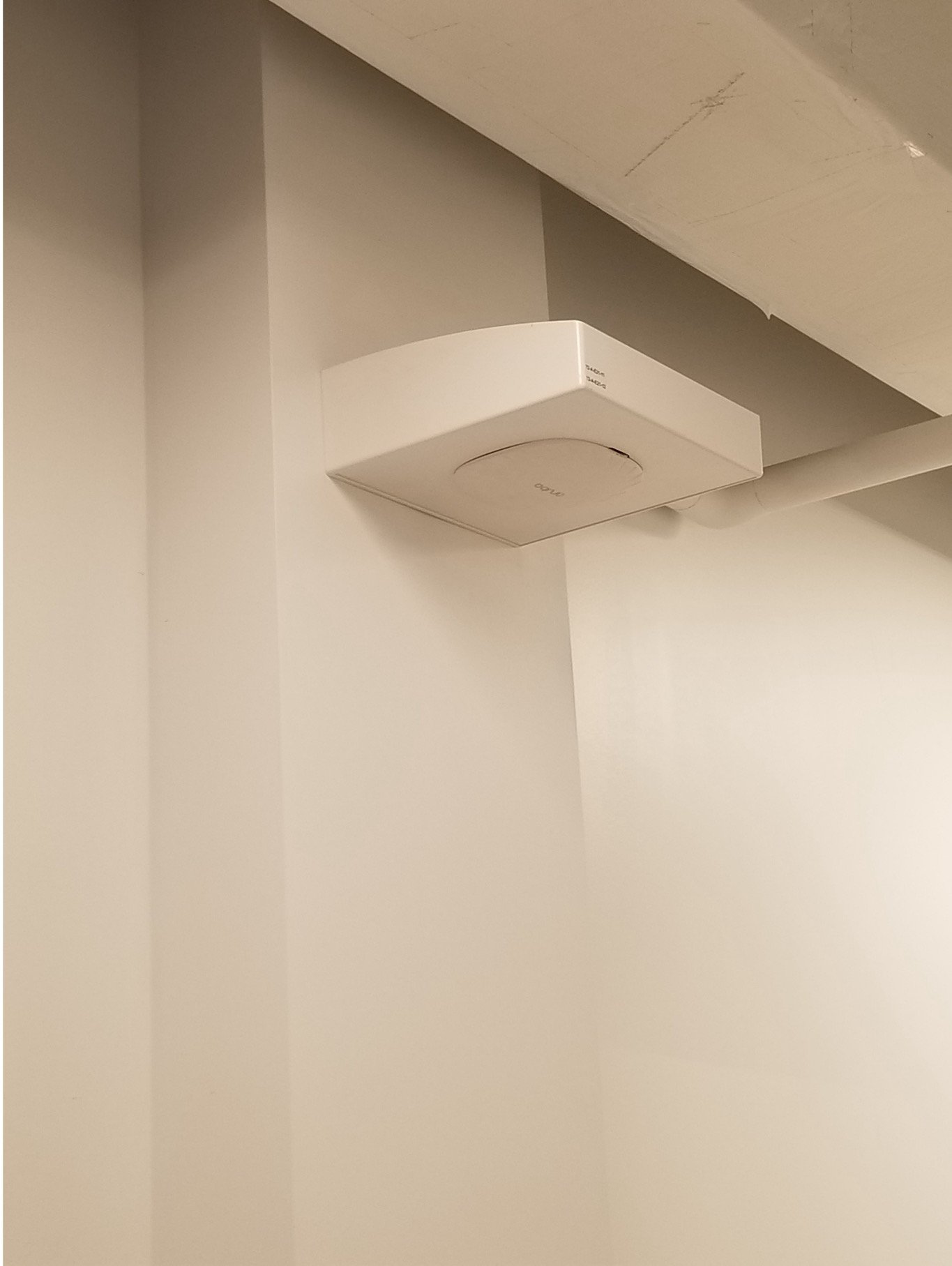
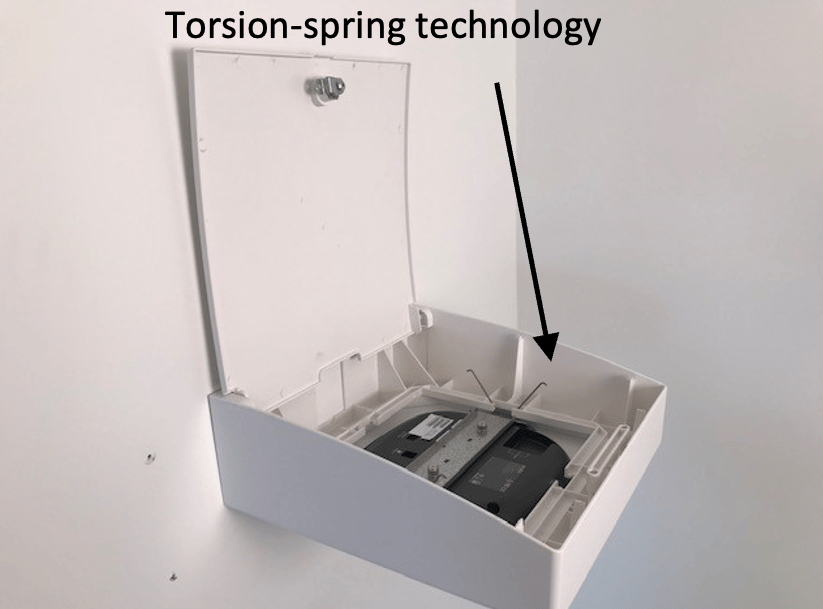
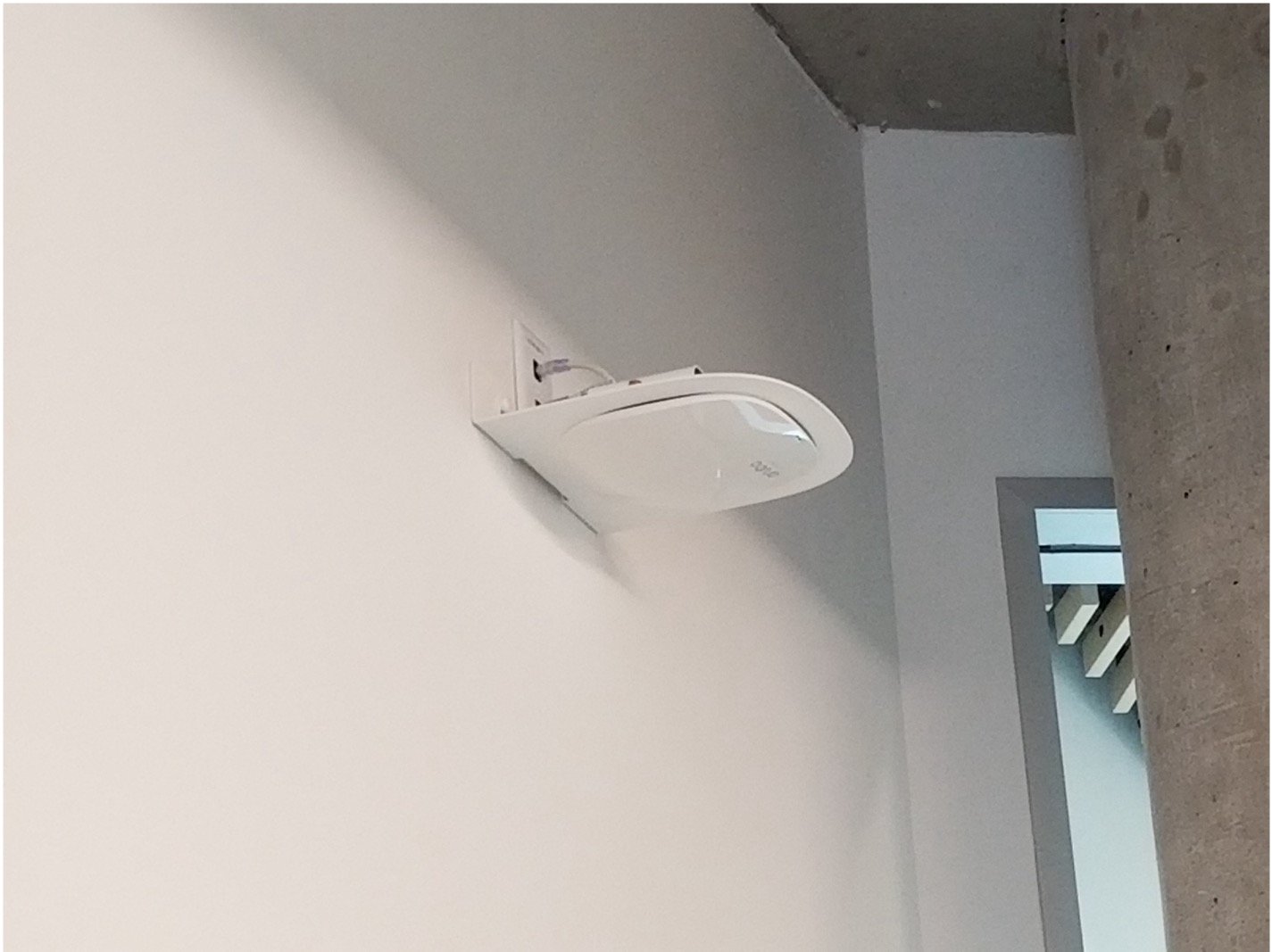
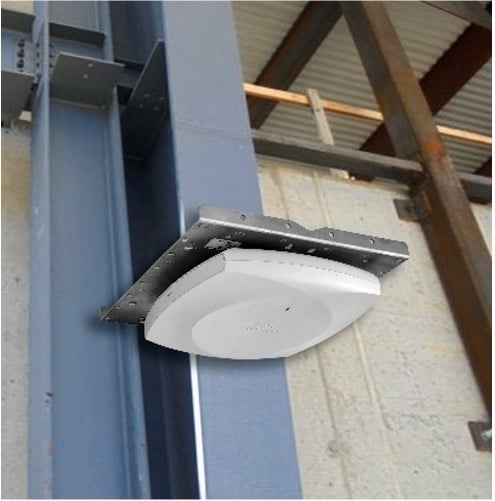
Similarly, right-angle lockable brackets can be used to mount APs horizontally from walls while retrofitting to new APs is simply done by replacing the trim. “Wi-Fi networks will be needed forever but every few years, upgrades are necessary as traffic grows and new generations of Wi-Fi emerge. In this case the rip-and-replace is easy because you can simply replace the drop-down door or trim to fit the new AP, even if you choose a new AP vendor,” she says.
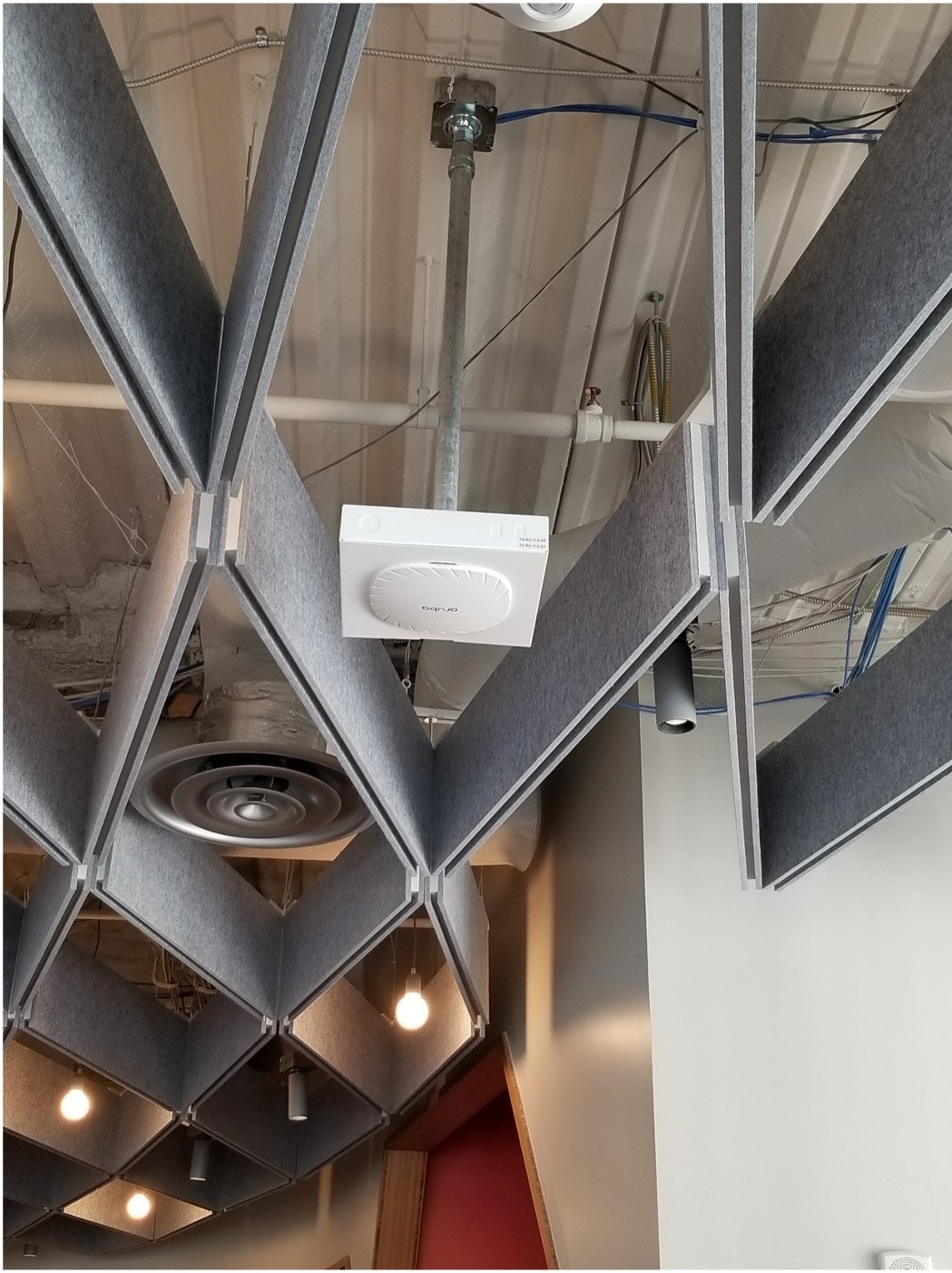
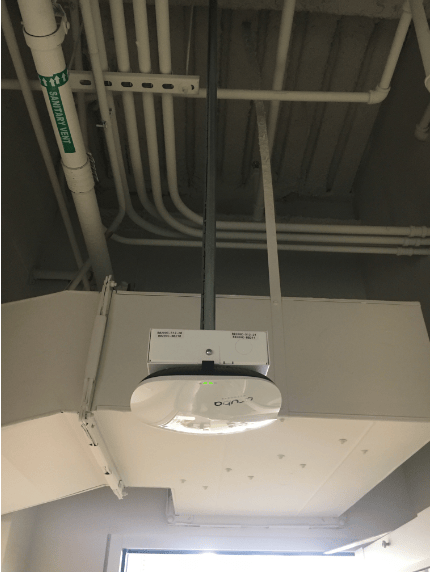
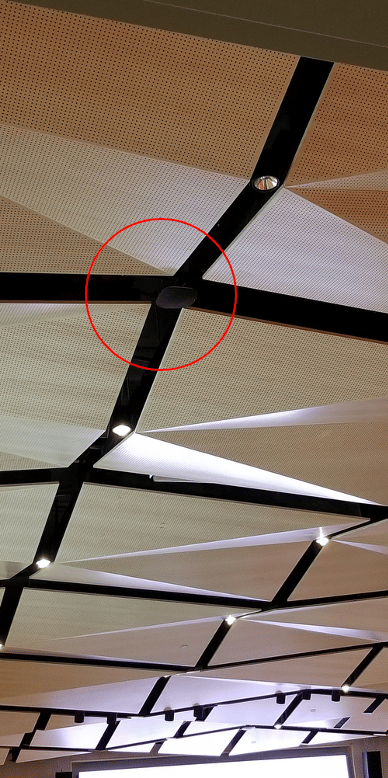
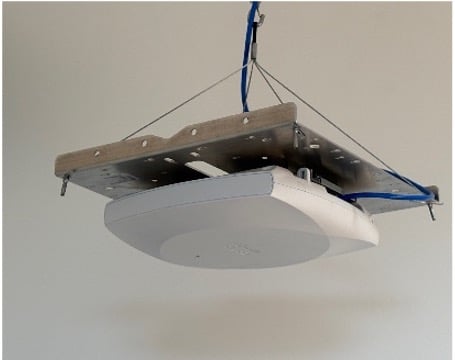
In the cases of open ceilings hanging conduits place the AP closer to the users below (and sometimes need to extend below other ceiling structures) while in other cases, architectural aesthetics are paramount and APs need to be concealed or blended in with coloured vanity covers. Many historical buildings require specific colours and even locked boxes for AP and cabling installations, Bree Murphy says, while healthcare facilities have strict codes for how APs must be installed in patient rooms.
“In hospitals it is cost-effective to be able to service the AP without lifting the ceiling tile and exposing the above ceiling space. This task often requires a complicated infection control process. Deploying the APs in a fully enclosed metal back-box – such as in Oberon’s Wi-Tile solution – can simplify the process. Fully enclosed metal boxes with fire-rated grommets also act as fire, smoke, and dust barriers, also helping to comply with fire regulations. In hospital clean-areas, APs must be installed into enclosures that are able to withstand spray cleaning. Similar ruggedised environmental enclosures can be used in stadiums and elsewhere outdoors, ” she says.
Making Wi-Fi services available outdoors is another significant trend – and Oberon’s bollard solutions are ideal for concealing APs and deploying them closer to users for example in the case of campus networks, hotels, and other public areas. For more also read here.
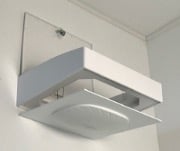
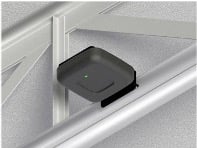
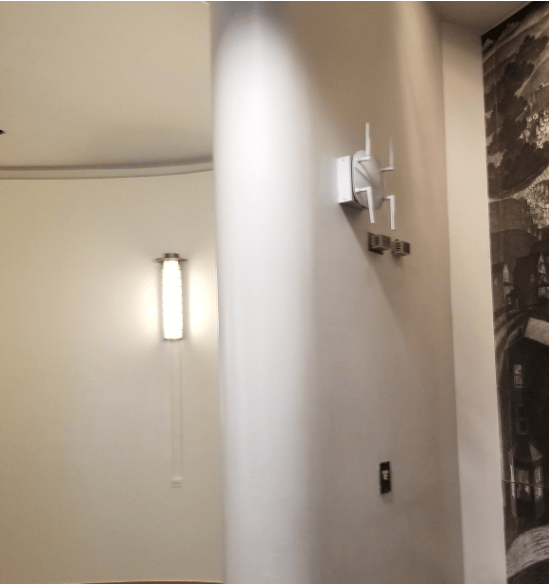
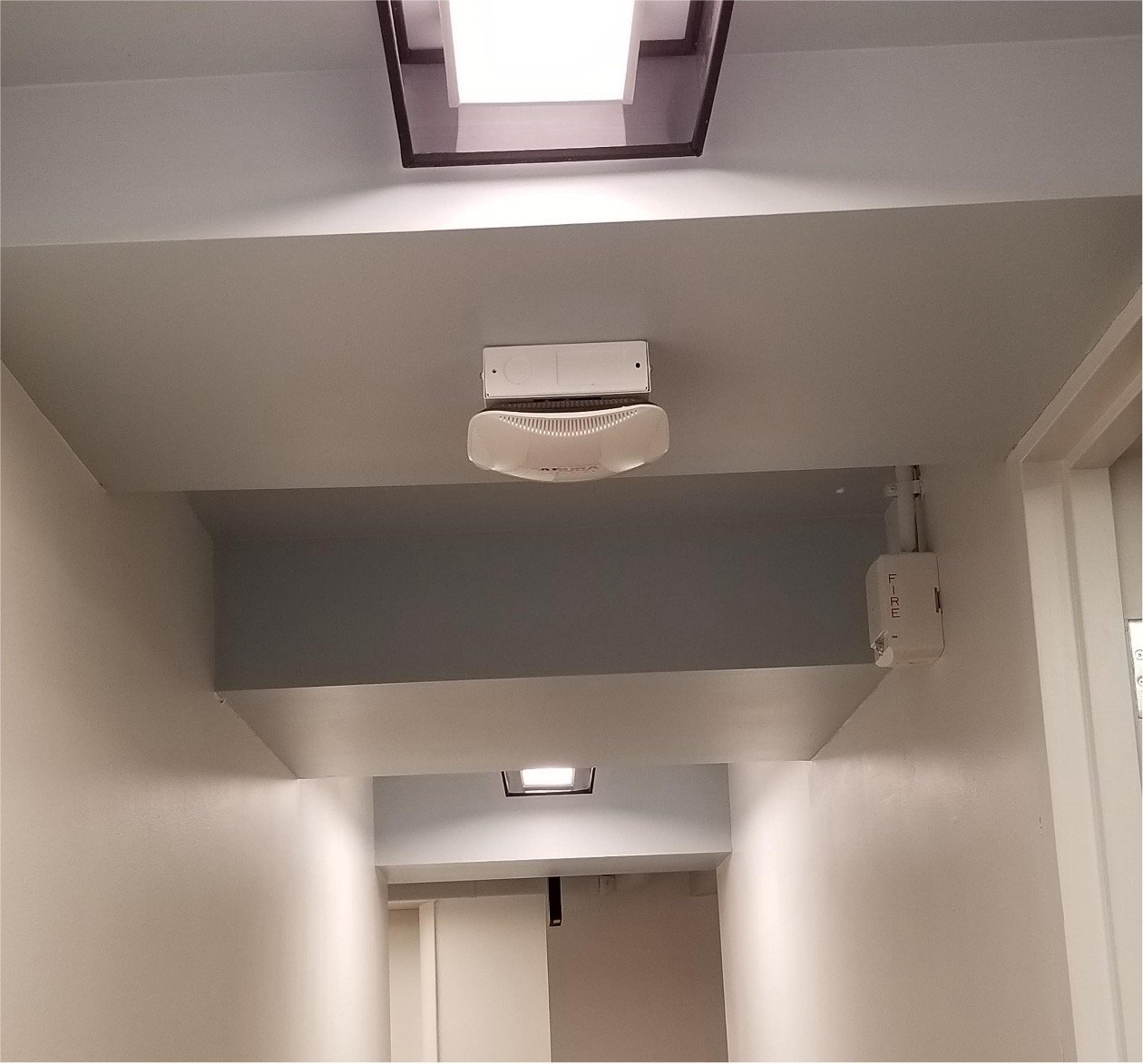
See below for examples of Oberon deployment solutions. To find the deployment hardware that works for you also see Oberon’s ‘Solutions Finder’ available here. Hundreds of deployment kits are available to suit practically any installation scenario, Oberon says.
/Claus.